
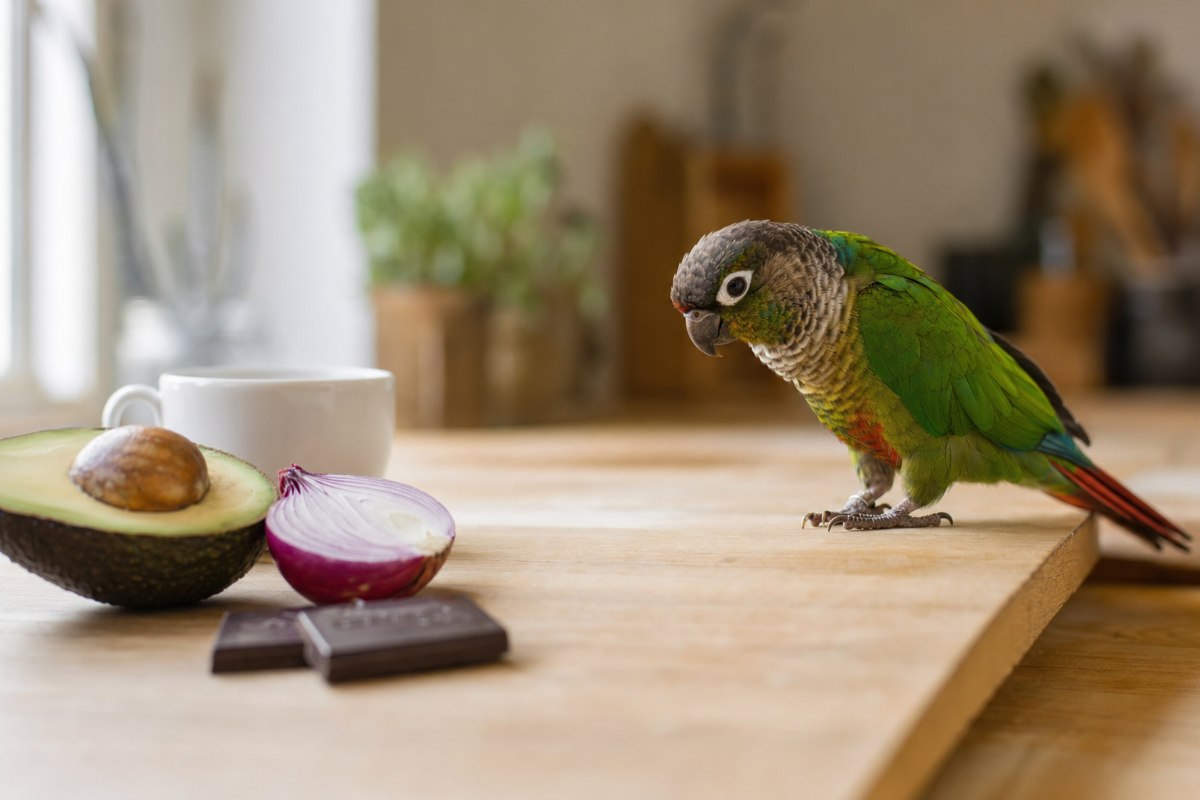
Parrots must never eat avocado, chocolate, caffeine, alcohol, onion, garlic, xylitol, fruit pits or raw dried beans. These nine can kill a bird even in tiny amounts. Nine more foods are toxic but rarely get mentioned. Another nine are not poisons at all, yet they cause real illness when fed regularly. All 27 are listed below, sorted by how fast they cause harm.
How to Use This List
| Group | Foods | What it means |
|---|---|---|
| Group 1 | 1 to 9 | Never safe. These harm the body through a chemical reaction. No amount is safe, cooking does not help, and no bird is too big to be affected. |
| Group 2 | 10 to 18 | Also toxic, but rarely mentioned in bird care articles. Most are plants rather than meals, which is why birds reach them by accident. |
| Group 3 | 19 to 27 | Not poisons. They cause damage slowly, through repetition, and they are the most common cause of diet-related illness in pet birds. |
If your bird has just eaten something on this page, skip ahead to the emergency section.
What Can Parrots Not Eat? The 9 Foods That Can Kill
| # | Food | Harmful substance | What it does to a bird |
|---|---|---|---|
| 1 | Avocado | Persin | Damages the heart, causes breathing trouble, death in 24 to 48 hours |
| 2 | Chocolate | Theobromine and caffeine | Racing heart, shaking, seizures, organ damage |
| 3 | Coffee, tea, energy drinks, cola | Caffeine | Irregular heartbeat, agitation, heart failure |
| 4 | Alcohol | Ethanol | Shuts down the organs, often fatal |
| 5 | Onion | Sulfur compounds | Breaks apart red blood cells, burns the crop lining |
| 6 | Garlic | Allicin | The same red blood cell damage as onion |
| 7 | Xylitol, the sugar-free sweetener | Xylitol | Blood sugar crashes, the bird collapses within minutes |
| 8 | Apple seeds and fruit pits | Compounds that turn into cyanide | Cyanide poisoning during digestion |
| 9 | Raw or undercooked dried beans | Hemagglutinin | Makes red blood cells clump together |
Birds are more vulnerable than dogs or cats for two reasons. Their bodies clear these substances more slowly, and they are small. A crumb you would not notice dropping is a serious dose for a bird that weighs 35 grams.
Why Is Avocado So Dangerous for Birds?
Avocado contains persin, a natural chemical found in the flesh, skin, pit and leaves. In birds it attacks the heart muscle.
According to Lafeber Company, an avian veterinary publisher, the first signs usually appear around 12 hours after a bird eats it. Breathing becomes difficult. Death often follows within one to two days.
Small birds are hit hardest. Budgies and canaries are considered the most sensitive, though avocado has poisoned many other species too.
Cooking does not make it safe. Heat does not break persin down. Guacamole, avocado oil and any dish with avocado in it carry the same risk as the raw fruit.
For the full breakdown of symptoms and what to watch for, see Can Parrots Eat Avocado?
How Much Chocolate Can Kill a Bird?
No one has published a safe or lethal chocolate dose for pet parrots. But one veterinary case gives a real number to work from.
In 2007, Gartrell and Reid reported in the New Zealand Veterinary Journal on an adult male kea found dead at Aoraki/Mt Cook Village in New Zealand. The bird’s crop contained 20 grams of what looked like dark chocolate. The researchers estimated the dose at 250 mg of theobromine per kilogram of body weight. The autopsy showed sudden damage to the liver, the kidneys and the brain.
Here is what that means for a smaller bird. A kea weighs around 900 grams, roughly the size of a small macaw. A budgie weighs around 35 grams. To take in the same dose for its size, a budgie would need to eat only about three quarters of a gram of dark chocolate. That is less than one chocolate chip.
That calculation is an illustration based on the case report, not an official threshold. It does explain why avian vets refuse to name a safe amount.
Chocolate and caffeine both contain a group of chemicals called methylxanthines. Birds cannot clear them from the body quickly enough. Dark chocolate holds more per gram than milk chocolate, so baking chocolate is the worst of all, but milk chocolate is not a safe swap.
See Can Parrots Eat Chocolate? for the hour-by-hour symptom picture.
Are Onion and Garlic Toxic to Parrots?
Yes, both are.
Onion and garlic contain sulfur compounds that break red blood cells apart. When enough cells are destroyed, the bird develops anemia, which means it no longer has enough working red blood cells to carry oxygen. Both foods also irritate the mouth, throat and crop, and can cause ulcers.
Lafeber Company records deaths in geese that ate large amounts of green onion, and in a conure that ate a large amount of garlic.
Powders are the bigger danger. Onion powder and garlic powder are far more concentrated than the fresh vegetable, and they appear in a huge number of packaged human foods. This is the main reason table scraps are a bad idea, even when the visible ingredients look harmless.
Can Parrots Eat Apple Seeds and Fruit Pits?
The fruit is fine. The seeds and pits are not.
Apple seeds contain compounds that turn into cyanide once the seed is crushed and digested. The same applies to the pits of cherries, plums, peaches, apricots and nectarines.
The problem is that cracking a hard seed is exactly what a parrot beak is built to do. Your bird will not leave a cherry pit alone.
Two practical rules. Core apples completely rather than slicing around the core. Never hand a bird whole stone fruit, even if you plan to take it back a moment later.
Our apple guide covers portion sizes and the seed removal step: Can Parrots Eat Apples?
Why Is Xylitol So Dangerous for Birds?
Xylitol is a sugar substitute found in sugar-free gum, mints, baked goods and some peanut butters. It causes a bird’s blood sugar to crash.
The evidence here is unusually clear. In 2017, Gardner and Mitchell reported in the Journal of Avian Medicine and Surgery on 29 wild Cape sugarbirds that died after drinking a homemade xylitol nectar solution from a garden feeder. Most showed symptoms within 15 minutes. They lost coordination, went weak, fell from their perches and collapsed. The examination pointed to a sudden collapse in blood sugar as the cause of death.
The birds that fed most aggressively died first.
Fifteen minutes is the figure to remember. There is no gap in which you would notice something wrong and still have time to act.
Which Toxic Foods Do Most Bird Owners Never Hear About?
These nine are genuinely toxic, but they rarely make standard lists. Most are plants rather than meals, which is exactly why birds reach them by accident on a kitchen counter.
| # | Food | Why it is dangerous |
|---|---|---|
| 10 | Rhubarb leaves and stalks | Oxalic acid locks up calcium and damages the kidneys |
| 11 | Tomato leaves, stems and unripe green tomatoes | Solanine, a natural toxin in the nightshade family |
| 12 | Green, sprouted or raw potato | Solanine builds up in green skin and sprouts |
| 13 | Eggplant and pepper plant leaves | Solanine again, though ripe fruit and chili seeds are fine |
| 14 | Wild or unidentified mushrooms | Fungi soak up toxins from their surroundings and are easy to misidentify |
| 15 | Comfrey | Used by some canary breeders, but linked to liver damage |
| 16 | Nutmeg | Contains myristicin, which affects the nervous system |
| 17 | Raw meat, raw egg and shellfish | Bacteria, which a bird’s digestive system handles poorly |
| 18 | Dried fruit treated with sulfites | Preservatives plus very concentrated sugar |
The nightshade group causes the most confusion, so here is the simple rule. The fruit is safe. The plant is not.
A ripe red tomato is fine in small amounts. The vine, the leaves and any green unripe tomato are not. The same applies to peppers and eggplant.
Which Foods Are Not Poisons but Still Harm Your Bird?
Most articles skip this group. That is a mistake, because these are the foods a bird actually eats week after week.
None of the nine below contains a toxin. They cause harm through repetition.
| # | Food | What repeated feeding does |
|---|---|---|
| 19 | Salt and salted snacks | Dehydration and strain on the kidneys |
| 20 | Fried and greasy food | Weight gain and fatty liver disease |
| 21 | Candy and sugary treats | Weight gain and yeast overgrowth |
| 22 | Milk, cheese and ice cream | Birds cannot digest lactose, so it upsets the gut |
| 23 | Peanuts in the shell | Mold on the shell can produce aflatoxin, a fungal poison |
| 24 | Brazil nuts in the shell | The same mold and aflatoxin concern |
| 25 | Bread as a daily food | Fills the bird up without feeding it |
| 26 | Fruit juice and soda | Concentrated sugar with the fiber removed |
| 27 | Sunflower seed as the main diet | High fat, low calcium, almost no vitamin A |
That last one is worth a closer look.
An all-seed diet is the most common feeding mistake in pet birds. It leads to vitamin A deficiency, fatty liver disease and weak bones from a lack of calcium.
The World Parrot Trust points out that a caged parrot burns roughly 10 to 15 times less energy than a wild one. A wild bird flies miles a day between feeding sites. The high-fat diet that fuels that flight simply turns into body fat in a bird sitting on a perch.
Seeds are not poison. They have just been badly over-served.
Are These Foods Equally Dangerous for Budgies, Cockatiels and Macaws?
Not equally, but no bird is safe from them.
Dose depends on body weight, and pet parrots range from 30 grams to over 1,300 grams. The same dropped crumb is a very different amount depending on who eats it.
| Species | Typical adult weight | A 1 gram crumb equals |
|---|---|---|
| Budgie | 30 to 40 g | About 3% of body weight |
| Green-cheek conure | 60 to 80 g | About 1.4% |
| Cockatiel | 80 to 100 g | About 1.1% |
| African Grey | 400 to 550 g | About 0.2% |
| Umbrella cockatoo | 400 to 600 g | About 0.2% |
| Blue and gold macaw | 900 to 1,300 g | About 0.09% |
A budgie takes in more than thirty times the dose a macaw does from the same crumb. That is a real difference and it explains why small birds die faster.
It does not make any of these foods safe for a macaw. Size buys minutes, not immunity.
Small birds also hide illness well. By the time a budgie looks unwell, it has usually been unwell for a while.
What Are the Signs of Poisoning in a Bird?
Call an avian vet if you see any of these, whether or not you know your bird ate something.
| Warning sign | What it looks like |
|---|---|
| Labored breathing | Tail bobbing with each breath, open beak, or a wheezing sound |
| Trouble balancing | Gripping the perch badly, swaying, or sitting on the cage floor |
| Sitting fluffed and still | The bird puffs its feathers and stops moving to conserve heat |
| Vomiting | Head flicking, with wet food stuck to the face and neck |
| Droppings change color | Especially green or red when no colored food was given |
| Sudden silence | A bird that normally calls and then stops is telling you something |
| Shaking or seizures | Tremors, twitching, or loss of control of the legs and wings |
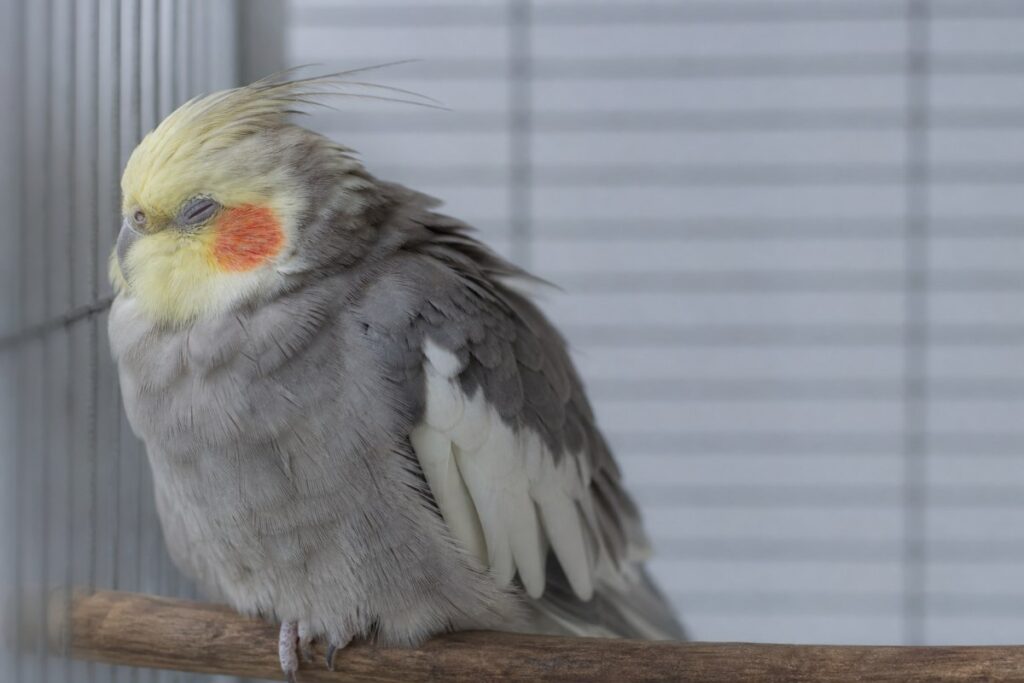
Birds hide illness because in the wild a sick bird gets eaten. By the time symptoms are visible, the problem is already advanced. Never wait and see with a bird.
What Should You Do If Your Bird Eats Something Toxic?
Call an avian veterinarian right away. Do not wait for symptoms and do not try home remedies.
Then do these four things.
1. Do not try to make your bird vomit. Birds have a crop instead of a simple stomach. Forcing food back up can send it into the airway, which can kill faster than the original poison.
2. Take the packaging with you. Whether a bar was 70 percent cacao or milk chocolate changes the dose. Whether a gum contained xylitol or sorbitol changes the whole treatment.
3. Write down the time and the amount. Even a rough guess helps. “About a teaspoon, twenty minutes ago” is far more useful than “some, a while back.”
4. Keep the bird warm and quiet on the way there. Stress makes everything worse. Cover the carrier partially and turn the radio off.
One more thing, and it matters more than any of the above. Find an avian vet before you need one. A regular cat and dog practice may not have the equipment or the training for bird emergencies, and looking one up during a crisis wastes the hour you do not have.
What Can Parrots Eat Instead?
Most poisoning accidents happen because someone wanted to share a snack. The answer is not to stop sharing. It is to swap.
| Instead of | Give your bird |
|---|---|
| Avocado | Cooked sweet potato or pea pods |
| Chocolate | Blueberries or a slice of ripe banana |
| Salted crackers | Plain air-popped popcorn with no butter or salt |
| Cheese | A small piece of cooked egg |
| Fruit juice | Fresh melon, which is mostly water anyway |
| Peanuts in the shell | Shelled almonds or walnuts, in small amounts |
| Bread | Cooked whole grain such as quinoa or brown rice |
| Sunflower seed as a meal | Formulated pellets with fresh vegetables |
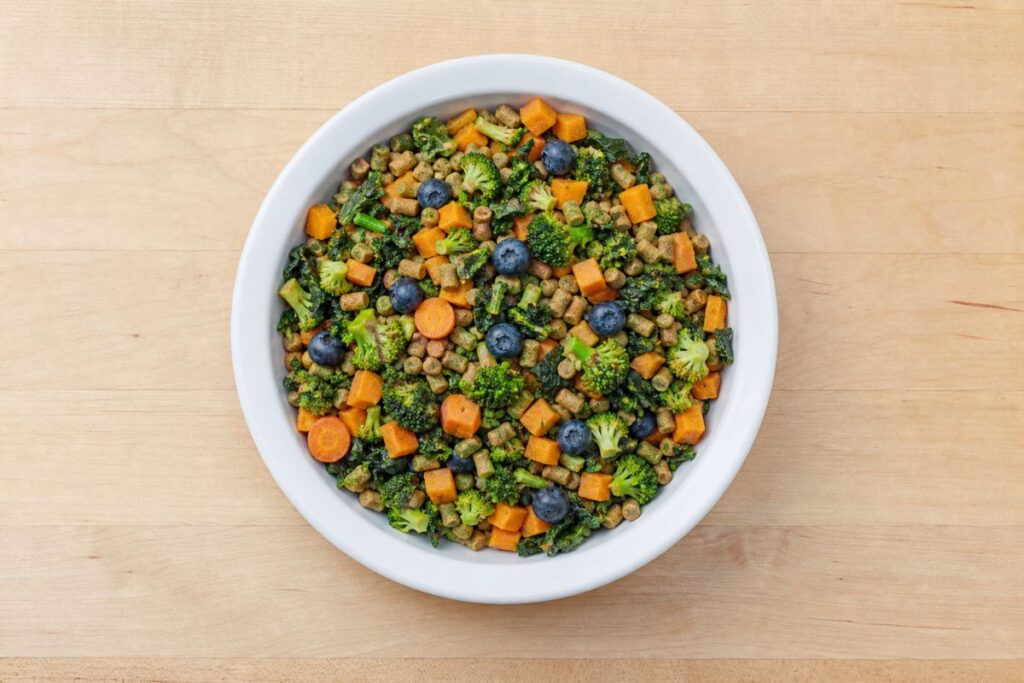
As a general rule, feed about three times as much vegetable as fruit. Orange and dark green vegetables carry the vitamin A that seed diets are missing.
For the full pellet-to-vegetable breakdown and how to move a seed-addicted bird onto a better diet, see What Do Parrots Eat?
Key Takeaways
Nine foods are never safe at any amount: avocado, chocolate, caffeine, alcohol, onion, garlic, xylitol, fruit pits and raw dried beans.
Cooking does not make avocado, onion or garlic safe.
The fruit of tomato, pepper and eggplant is fine. The leaves, stems and green unripe parts are not.
Small birds face far more danger from the same crumb. A budgie takes in over thirty times the dose a macaw does.
An all-seed diet causes more long-term illness in pet birds than any single toxic food.
If your bird eats something on this list, call an avian vet immediately and do not try to make it vomit.
Frequently Asked Questions
Can birds eat chocolate?
No. Chocolate contains theobromine and caffeine, which birds cannot clear from the body safely. It causes a racing heart, shaking, seizures and organ damage. Dark chocolate holds more theobromine per gram, but milk chocolate is not a safe substitute. There is no known safe amount for any parrot.
Is avocado poisonous to all birds?
Avocado poisoning has been recorded in many bird species, with budgies and canaries among the most sensitive. A few species seem to handle some avocado varieties, but there is no reliable way to predict which variety affects which bird. Avian vets treat all avocado as unsafe for all birds.
Can parrots eat pistachios and other nuts?
Yes, in small amounts. Shelled almonds, walnuts, pecans and pistachios work well as training treats rather than meals. The concerns are fat content, and mold on the shells of peanuts and Brazil nuts. Buy human-grade and unsalted, and store them somewhere dry.
Are grapes safe for parrots?
Grapes are not toxic to birds. The grape toxicity seen in dogs does not carry across to birds. They are very high in sugar, so treat them as an occasional treat rather than a daily fruit, and wash them well because grapes carry heavy pesticide residue.
What happens if a bird eats a small amount of onion?
Onion damages red blood cells and irritates the crop. One small taste may cause nothing you can see, but no safe dose has ever been established for birds and deaths have been recorded. Call an avian vet rather than waiting to see what happens.
Can birds eat watermelon rind?
The pale inner rind is safe and many birds enjoy chewing it. Wash the outside thoroughly first, because melons sit on soil and the skin carries whatever was sprayed on the field. Trim off the tough green outer layer for smaller birds.
Can birds eat carrot tops?
Yes. Carrot tops are safe and a good source of greens. Wash them well and buy organic if you can, since leafy tops hold pesticide residue more than the root does. Introduce them gradually, as any new food can upset a bird’s digestion at first.
Sources
Gartrell, B. D., and Reid, C. (2007). Death by chocolate: a fatal problem for an inquisitive wild parrot. New Zealand Veterinary Journal, 55(3), 149 to 151. https://doi.org/10.1080/00480169.2007.36759
Gardner, B. R., and Mitchell, E. P. (2017). Acute, fatal, presumptive xylitol toxicosis in Cape Sugarbirds (Promerops cafer). Journal of Avian Medicine and Surgery, 31(4), 356 to 358. https://doi.org/10.1647/2016-234
Lafeber Company, Foods Toxic To Pet Birds
This article is general guidance and does not replace veterinary care. If you think your bird has eaten something toxic, contact an avian veterinarian immediately.